About the EFEC UK–China Life Sciences Innovation Hub
The UK–China Life Sciences Innovation Hub is built by Excellence First Enterprise Consultancy (EFEC) — an organisation founded in 2006 with roots in education and training, and since 2018, a trusted connector of innovation ecosystems between the UK and China.
EFEC’s evolution from education consultancy to cross-ecosystem facilitator reflects a long-standing commitment to enabling learning, collaboration, and responsible innovation across cultures.
The Hub is developed around two principles, shaped through Phase 1 co-design with founding members. They reflect what we have observed repeatedly in UK–China life sciences collaboration: that the failures are rarely scientific. They are failures of readiness, sequencing, and governance.
Qualification before connection
Cross-border collaboration in life sciences moves quickly. Introductions are made, pilots are discussed, and momentum builds — often before the underlying conditions for responsible execution have been examined. The Hub’s role is not to accelerate that process. It is to slow it down at the right point.
We operate a qualification-before-connection model. Before any UK expert time is allocated, and before cross-border engagement begins, organisations go through a structured eligibility assessment — the IN2UK Stage 1 process. The assessment tests governance, IP position, regulatory readiness, data maturity, and transaction structure. The outcome is binary: GO or NOT YET.
A ‘not yet’ is not a rejection. It is the most useful thing a facilitating organisation can say. It creates the conditions for a partnership that can actually work.
Cross-cultural literacy as an execution capability
Many cross-border life sciences collaborations have technically strong foundations that still fail in delivery. When we look closely at what happened, the pattern is consistent: unclear decision rights, divergent evidence expectations, and escalation pathways that existed on paper but did not function in practice.
Cross-cultural literacy — the ability to work accurately across different regulatory logics, professional norms, and governance expectations — is not a background qualification or a soft skill. It is the execution capability that determines whether collaboration is safe, scalable, and sustainable. The Hub treats it as such: in how readiness is assessed, how faculty are selected, and how the programme is designed.
Our Operating Principles
Our work is guided by six principles
Integrity & Independence
Safety & Responsibility
Ethical Collaboration
Cultural Intelligence
Mutual Benefit
Long-Term Trust-Building
What We Are Not
To avoid misunderstandings, it is important to clarify that the Hub:
• does not act as a commercial intermediary
• does not provide investment introductions
• does not offer talent or project brokerage
• does not engage in regulatory or approval-related activities
Our Team
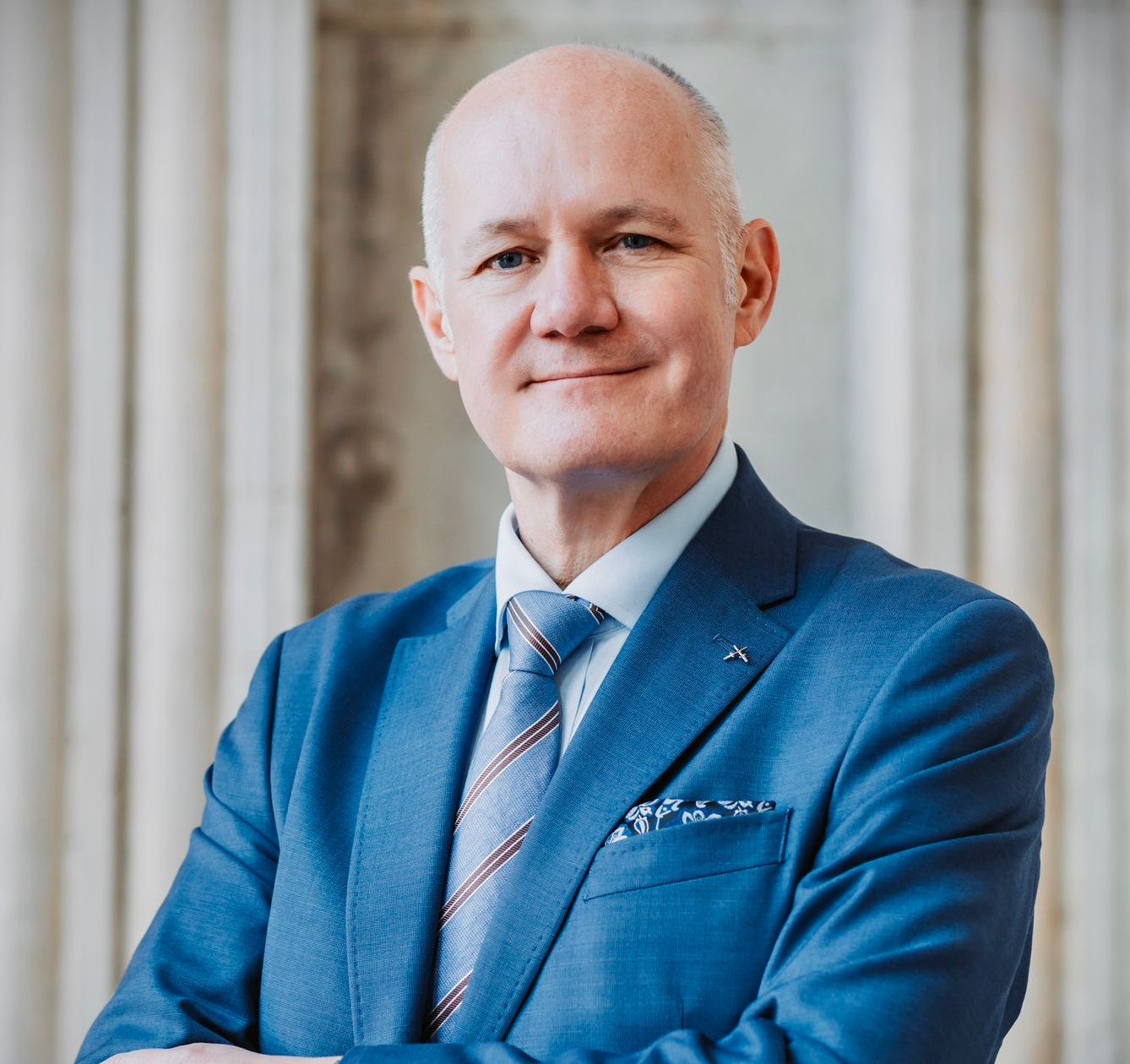
Our leadership team blends UK–China experience across AI, biotech, medtech, and innovation strategy.
Visionary behind EFEC and the Hub, leading cross-ecosystem collaboration and responsible innovation.
Specialist in life sciences business development and ecosystem growth.
Championing international trade, education, and healthcare at senior levels.
What Makes the Hub Different
We are not a competitor to the specialists. Instead, we bring them together — translating across cultures, systems, and business environments.
We Connect Specialists
We connect specialists in their fields — we collaborate, not compete.
Curated Networks
We curate strategic, high-trust networks rather than relying on open databases.
Shared Learning
We build learning environments that bridge regulatory, cultural, and market systems.
Co-Designed Impact
We create measurable impact through open collaboration co-designed with our members.
Responsible Innovation
We embed governance, ESG, and ethics into all innovation practices.
Looking Ahead
In 2026, EFEC will mark its 20th anniversary with the Hub’s formal launch and the publication of the EFEC UK–China Life Sciences Innovation Hub ESG Statement — setting measurable goals for impact, inclusion, and sustainability.
Our commitment is simple: to build infrastructures that match the scale of human ambition.
The Hub supports organisations in developing the capabilities, cultural understanding and collaborative governance required for responsible cross-border innovation. We provide guidance, project stewardship and ecosystem insight to help partners navigate the UK life sciences environment safely and effectively. We do not act as a commercial intermediary, investment introducer or talent agent.
This article reflects the perspective of the EFEC UK–China Life Sciences Innovation Hub and does not represent the views of its partners or collaborators.